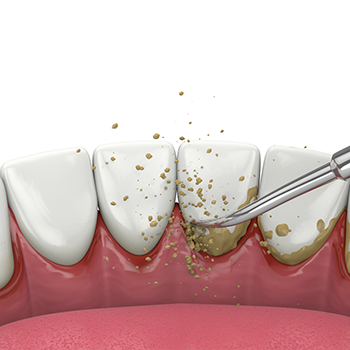
Maintaining optimal oral health goes beyond the daily ritual of brushing and flossing. One common adversary that challenges the health of our teeth is tartar, an unyielding deposit that forms when plaque hardens on the enamel. Tartar not only poses cosmetic concerns but can also contribute to serious oral health issues, such as gum disease.
The gold standard in tartar removal is professional dental cleanings, such as those provided by Dr. Fadi Farhat at Dental One Care in Sterling Heights. Many patients argue that there are plenty of methods they can use at home to remove tartar. While this is true, it’s important to understand that these at-home methods should never be used in lieu of visiting your dentist for proper cleaning.
What is Tartar?
Tartar is a mineralized plaque that forms on teeth over time. Plaque is a sticky film of bacteria that constantly forms on our teeth. When plaque is not removed through regular brushing and flossing, it can mineralize and harden into tartar, which is more difficult to remove.
What Happens If Tartar Is Not Removed?
If tartar is left untreated, it can lead to various oral health issues. Tartar buildup can cause gingivitis, which can develop into periodontitis if left untreated. Tartar buildup often causes teeth to appear yellow/brown, which leads to cosmetic issues. Finally, tartar buildup can cause and contribute to halitosis, or bad breath.
Can You Remove Tartar At Home?
There are several methods that you can use to remove tartar at home. However, it’s best to leave it to the professionals. You can reduce your risk of tartar buildup and protect your oral health by brushing and flossing twice daily and visiting the dentist every 6 months for an exam and cleaning.
Effective Methods for Removing Tartar at Home
Below are a few methods that have been shown to be effective for removing tartar at home. However, it’s important to use caution when applying these methods.
Proper Brushing Techniques
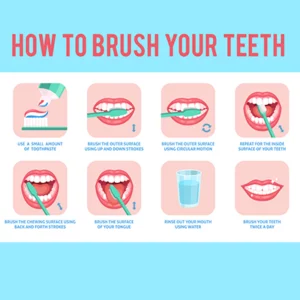
Brushing your teeth thoroughly at least twice a day is crucial for preventing tartar buildup. Use a soft-bristled toothbrush and fluoride toothpaste. Pay special attention to the gumline, where tartar often forms. Brush in gentle, circular motions to ensure all surfaces of the teeth are cleaned.
Flossing for Precision
Regular flossing is essential for removing plaque and preventing tartar between teeth and along the gumline. Flossing helps reach areas that a toothbrush may miss, promoting optimal oral hygiene.
Antimicrobial Mouthwash
Using an antimicrobial or antibacterial mouthwash can help reduce the bacteria that contribute to plaque formation. Rinse according to the product instructions, usually after brushing and flossing.
Oil Pulling
Oil pulling involves swishing oil (such as coconut oil) around in your mouth for about 15-20 minutes. This ancient practice is believed to help remove bacteria and plaque. However, scientific evidence supporting its effectiveness is limited.
Baking Soda Scrub
Baking soda has abrasive properties that can help scrub away surface stains and plaque. Mix a small amount of baking soda with water to create a paste and brush your teeth with it once a week.
Apple Cider Vinegar Rinse
Apple cider vinegar has antibacterial properties and may help break down tartar. However, it is acidic and should be used cautiously. Mix a small amount with water and rinse your mouth but avoid prolonged exposure to prevent enamel erosion.
Professional Dental Cleaning Tools
While not a substitute for a professional cleaning, there are dental tools available for home use, such as dental picks and scalers. Exercise caution and follow product instructions to avoid damaging your teeth and gums.
Why a Dental Professional is Best To Remove Tartar From Your Teeth?
Despite these home remedies, it's important to note that professional dental cleanings are the most effective way to remove tartar. Dentists and dental hygienists have been trained in the proper way to use specialized tools to safely and thoroughly clean the teeth, reaching areas that may be challenging to access at home. Regular dental check-ups are crucial for maintaining optimal oral health.
If you can see or feel tartar buildup on your teeth, the first step is to schedule an appointment with your dentist. If you are in or near Sterling Heights, MI, Dr. Fadi Farhat and the team at DentalOne Care can help. We offer many dental services for the entire family, including routine exams and cleanings to remove plaque and tartar buildup.
Visit our website or call the office at (586) 274-2800 today to schedule your appointment.
Tartar Removal FAQs
If you have questions, Dr. Farhat and the team can help.
Can I scrape tartar off my teeth myself?
While dental picks and scalers are available for home use, it is recommended to leave the removal of tartar to dental professionals. They have the training, experience, and expertise in using these tools. If you’re unsure of how to properly use them, you risk damaging your teeth and gums.
Can Waterpik remove tartar?
Waterpiks are effective for removing food particles and plaque, especially in hard-to-reach areas such as between the teeth. However, they may not completely eliminate tartar. Professional dental cleanings are still necessary for thorough tartar removal.
Will removing tartar loosen teeth?
No, the removal of tartar by a dental professional should not loosen your teeth. In fact, it helps maintain the health of your gums and teeth by preventing the progression of gum disease.