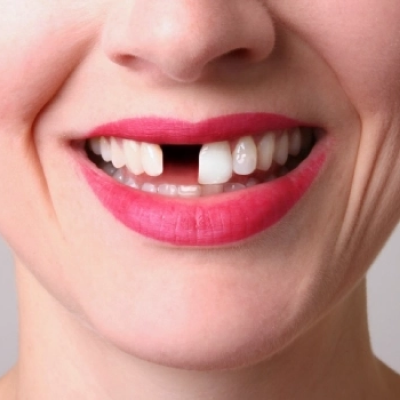
A missing tooth can change how you eat and speak, even when the gap is difficult to see. You might start chewing on one side, avoiding certain foods, or feeling uncomfortable when smiling. Replacing the tooth can help, but implant surgery, recovery time, and cost may make the decision difficult.
If you're hesitant about implant surgery, alternatives to dental implants may offer a suitable way to replace missing teeth. Some treatments stay fixed in your mouth, while others can be removed for cleaning. The right choice depends on your remaining teeth, oral health, and how you want your replacement to function.
What Are the Best Alternatives to Dental Implants?
The main alternatives to dental implants are tooth-supported bridges and removable dentures. A temporary flipper may also fill a gap while you plan longer-term treatment. Unlike implants, these options replace the visible part of a missing tooth without replacing its root.
| Option | Best suited for | Type | Implant surgery needed? |
| Traditional bridge | One or a few neighboring missing teeth | Fixed | No |
| Maryland bridge | Certain missing front teeth | Fixed | No |
| Partial denture | Several missing teeth | Removable | No |
| Complete denture | All teeth missing in one jaw | Removable | No |
| Temporary flipper | Short-term replacement | Removable | No |
These treatments do not require implant placement, although other dental procedures may still be necessary.
Can You Replace One Missing Tooth Without an Implant?
A dental bridge may replace a missing tooth when the neighboring teeth offer adequate support. It stays fixed in your mouth, so you do not need to remove it during meals or cleaning.
Traditional Dental Bridges
A traditional bridge uses crowns on neighboring teeth to support an artificial tooth. Your dentist removes some enamel to fit the crowns, which is an important consideration when those teeth are healthy. A bridge may make more sense if they already need crowns.
Although a bridge can restore chewing function, food and plaque may collect beneath the artificial tooth. Daily cleaning with a floss threader or interdental cleaner helps protect the supporting teeth. The American Dental Association explains how bridges work and why healthy supporting teeth matter.
You can also explore the available dental bridge treatments to understand the different designs.
Maryland and Cantilever Bridges
A Maryland bridge bonds to the back of nearby teeth, often to replace a missing front tooth. It preserves more enamel than a traditional bridge, although the bond may loosen under heavy biting pressure.
A tooth supports a cantilever bridge on one side of the gap. Because this puts extra pressure on that tooth, dentists recommend it only in select situations.
Can Partial Dentures Replace Several Missing Teeth?
If teeth are missing in separate areas of your mouth, a partial denture may be more practical than placing several bridges. It holds artificial teeth in a gum-colored base and uses clasps or other attachments to stay in position.
Partial dentures may avoid reshaping neighboring teeth for crowns, though some designs require minor tooth preparation. They also take time to get used to, especially while speaking and chewing. If the denture rubs your gums or feels loose, your dentist can adjust its fit.
Flexible partial dentures offer another option. Their bendable material can make clasps less noticeable, but some designs are harder to repair or reline. Comparing partial, complete, and flexible dentures can help you understand which design may suit your remaining teeth and bite.
What Are Your Options if All Your Teeth Are Missing?
Complete dentures replace all teeth in the upper or lower jaw and rest directly on the gums. Conventional dentures are fitted after extraction sites have healed, while immediate dentures may be placed sooner and adjusted as your gums change.
Eating with new dentures takes practice. Start with softer foods, take smaller bites, and chew evenly to help you adjust. Lower dentures may move more because of tongue activity.
Changes in your jawbone and gums can also affect denture fit over time. If your dentures become loose, your dentist may recommend adjustments or relining to improve comfort.
How Do Dental Bridges and Dentures Compare?
The main difference between bridges and dentures is how they stay in place. Bridges attach to supporting teeth, while conventional dentures are removable. This affects everyday comfort, cleaning, and maintenance.
- Eating: Bridges generally stay steadier during meals, while dentures may move when you chew harder foods.
- Supporting teeth: Traditional bridges require crown preparation. Partial dentures may place pressure on the teeth holding their clasps.
- Cleaning: Bridges require cleaning underneath the artificial tooth. Dentures must be removed and cleaned daily.
- Maintenance: Both may need repairs or replacement, while dentures may require relining as your gums change.
A bridge may suit a single gap, while a partial denture can replace missing teeth in several areas without preparing multiple healthy teeth for crowns.
Are Snap-On Dentures an Alternative to Dental Implants?
Snap-on dentures attach to implants placed in your jaw, helping stabilize a removable denture during eating and speaking. They may be helpful if conventional dentures move frequently.
However, snap-on dentures are not an implant-free option. They still require implant surgery and healing. If you are open to implant placement, snap-on dentures may be worth discussing separately.
What Is the Cheapest Alternative to Dental Implants?
Removable dentures often cost less upfront than bridges. A flipper may cost less initially but is temporary.
| Option | Upfront cost compared with other options | Possible later expenses |
| Temporary flipper | Often lower for a short-term gap | Replacement with a lasting restoration |
| Partial or full denture | Often lower than fixed bridges | Relining, repairs, replacement |
| Traditional bridge | Often higher than a basic denture | Repair or replacement if the bridge or supporting teeth develop problems |
| Maryland bridge | Depends on materials and design | Rebonding if the attachment loosens |
These are general comparisons, not clinic fees. Request an estimate covering visits and adjustments. Review insurance and dentures versus implants and long-term costs before deciding.
How Long Do Dental Bridges and Dentures Last?
Dental bridges can last for years when the supporting teeth and gums stay healthy. However, decay around crowns, gum disease, or changes in your bite may shorten their lifespan.
Dentures also wear with use, and changes in your mouth can affect their fit even when the appliance remains intact. Regular dental visits help identify problems before they worsen.
Brush natural teeth twice daily, clean beneath bridges, and use suitable products for removable dentures. MedlinePlus guidance reviewed in February 2026 recommends professional care when dentures fit poorly or cause soreness.
How Do You Choose the Right Alternative to Dental Implants?
Your dentist will examine the missing tooth area, surrounding teeth, gums, and bite before recommending treatment. A bridge may work well for a single gap but involve preparing healthy neighboring teeth. Dentures can replace several missing teeth, although you must be comfortable removing and cleaning them.
During your appointment, ask:
- Will treatment require reshaping healthy teeth?
- How will the replacement affect chewing and speaking?
- Can I clean and handle the appliance comfortably?
- How often might it need adjustments or replacement?
- What will the treatment cost now and over time?
Mention any medical conditions or difficulty using your hands, as these factors may affect which restoration you can maintain comfortably.
Choosing a Tooth Replacement Without Implants
The right alternative depends on the teeth you have lost and what you expect from treatment. A traditional or Maryland bridge may replace a limited gap without a removable appliance. Partial dentures can address several missing teeth, while complete dentures replace all teeth in one jaw. Temporary flippers serve a different purpose during healing or treatment planning. Each option has limitations related to comfort, support, cleaning, or future adjustments. A dental exam can help you understand these differences and compare total costs. Choose a replacement you can maintain comfortably, and continue regular dental visits to protect your remaining teeth and gums.
Discuss Tooth Replacement Options in Sterling Heights
At Dental 1 Care, Dr. Fadi Farhat can examine your teeth and gums, explain suitable dental bridges and dentures, and review your treatment estimate.
Call (586) 217 2034 to schedule a consultation or visit 2020 Chesley Dr, Sterling Heights, MI 48310.
FAQs
Can You Replace a Missing Back Tooth Without an Implant?
A bridge or partial denture may replace a missing back tooth. Since back teeth handle strong chewing forces, your dentist must examine the gap and available supporting teeth before recommending treatment.
Are Dental Bridges Better Than Dentures?
Bridges stay fixed and may feel steadier, while dentures can replace teeth in several areas. Your remaining teeth, bite, budget, and cleaning needs determine which option is more suitable.
Are Dentures Suitable for Older Adults?
Yes. Age alone does not determine whether dentures will work. A proper fit, gum health, and the ability to clean and maintain the appliance matter more.
Can a Temporary Flipper Replace a Missing Tooth?
Yes, a temporary flipper can replace a missing tooth while your mouth heals or you plan permanent treatment. It is lightweight and removable but may shift during meals and requires proper cleaning and care.